

Brain Conditions Treated in Naples, FL
Specialized Neurosurgical Care for Brain Conditions
At Apex Brain & Spine, we evaluate and treat a range of complex brain and cerebrovascular conditions. Our board-certified, fellowship-trained neurosurgeons take time to review your symptoms, medical history, physical examination, and imaging so you can better understand your diagnosis and the treatment options that may be appropriate.
Treatment is individualized. Depending on the condition, care may include monitoring, medication coordination, surgery, minimally invasive treatment, endovascular procedures, stereotactic radiosurgery in coordination with radiation oncology, or another specialized approach.
Call 911 or seek emergency care immediately if you are experiencing sudden or severe symptoms including signs of stroke, a seizure, sudden severe headache, loss of consciousness, severe head injury, new weakness, difficulty speaking, or another medical emergency.
Brain Conditions We Treat
Brain Tumors
Metastatic brain tumors can develop when cancer from another part of the body spreads to the brain. Primary brain tumors, including meningiomas and gliomas, may also require specialized evaluation and treatment.
At Apex Brain & Spine, our brain tumor surgeons provide treatment in cooperation with medical and radiation oncology in the Naples area. Dr. Cannarsa has fellowship training in cranial and cerebrovascular neurosurgery, including the treatment of brain tumors.
Stereotactic radiosurgery, in partnership with radiation-oncology colleagues, may be an option for selected patients. This non-invasive treatment delivers focused radiation to targeted areas of the brain based on the diagnosis and treatment plan.
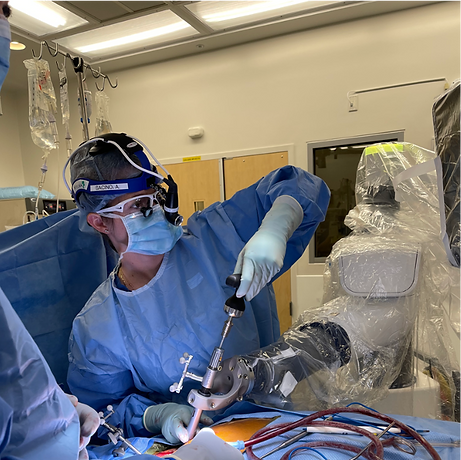
When surgery is necessary, Dr. Cannarsa may use a keyhole approach when clinically appropriate to minimize the incision and limit disruption to normal brain tissue. A hair-sparing approach may also be considered depending on the tumor’s location and the surgical plan.
Depending on the tumor type, location, size, symptoms, imaging findings, and treatment goals, surgery may be performed through a craniotomy for biopsy, tumor removal, or both.
Brain Aneurysms
A brain aneurysm is a weakened area in the wall of a blood vessel in the brain. Aneurysms can vary in size, shape, location, and risk. Some are identified before they cause symptoms, while a ruptured aneurysm is a medical emergency requiring immediate treatment.
Dr. Cannarsa is fellowship-trained in the treatment of cerebral aneurysms, with training in both microsurgical and endovascular approaches. Treatment options may include surgical clipping, coil embolization, Pipeline flow-diverting stent placement, monitoring, or another approach based on the aneurysm’s characteristics and the patient’s individual situation.
The right treatment plan depends on the aneurysm’s size, location, shape, rupture status, symptoms, imaging findings, overall health, and other patient-specific factors.
See a study Dr. Cannarsa was involved in regarding aneurysms and subarachnoid hemorrhage.
See a review paper involving Dr. Cannarsa on the treatment of brain aneurysms in elderly patients.
See a complete surgical video of Dr. Cannarsa treating a brain aneurysm through surgical clipping.
Subdural Hematoma & Intracerebral Hemorrhage
A subdural hematoma is a collection of blood between the surface of the brain and its protective outer covering. Intracerebral hemorrhage is bleeding within the brain itself. These conditions may occur after trauma, in association with blood-thinning medication, or for other medical reasons.
Dr. Cannarsa trained at the University of Maryland Shock Trauma Center, where he cared for a high volume of patients with traumatic brain injuries and intracerebral hemorrhages. Chronic subdural hematoma is increasingly common in older adults, particularly among people taking blood thinners.
Treatment depends on the type, size, location, cause, symptoms, and imaging findings. Options may include observation, minimally invasive burr-hole drainage, or selected endovascular treatment through middle meningeal artery embolization.
See Dr. Cannarsa’s review paper on the toxicity of blood in the brain.
See Dr. Cannarsa’s study on middle meningeal artery embolization in elderly patients.
Hydrocephalus & Normal Pressure Hydrocephalus
Hydrocephalus occurs when excess cerebrospinal fluid builds up in the brain’s fluid spaces, which can place pressure on the brain. Normal pressure hydrocephalus is a form of hydrocephalus that can affect walking, balance, thinking, and bladder control, particularly in older adults.
At Apex Brain & Spine, we evaluate patients with hydrocephalus and normal pressure hydrocephalus through a detailed review of symptoms, imaging, medical history, and other relevant testing.
For selected patients, treatment may include shunt placement to divert excess fluid and reduce pressure. The recommended approach depends on the individual diagnosis, symptoms, imaging findings, medical history, and treatment goals.
Chiari Malformation
Chiari malformation is a condition in which part of the brain extends downward through the opening at the base of the skull. Some people have no symptoms, while others may experience headaches, neck pain, balance concerns, numbness, weakness, swallowing difficulties, or other neurologic symptoms.
Apex Brain & Spine evaluates Chiari malformation through a review of symptoms, neurologic examination, and imaging. When treatment is appropriate, options may include minimally invasive Chiari decompression surgery to create additional space and relieve pressure in the affected area.
The right treatment approach depends on the type of Chiari malformation, symptoms, imaging findings, fluid flow, and the patient’s individual situation.
Fellowship-Trained Neurosurgical Expertise
Gregory Cannarsa, MD is a board-certified neurosurgeon with fellowship training in cranial, cerebrovascular, and endovascular neurosurgery. His clinical experience includes brain tumor surgery, aneurysm treatment through microsurgical and endovascular approaches, subdural hematoma and intracerebral hemorrhage management, hydrocephalus, and other complex neurologic conditions.
At Apex Brain & Spine, our team strives to provide clear explanations, thoughtful treatment planning, and the least disruptive approach that is medically appropriate for each patient.
What to Expect at Your Spine Evaluation
Comprehensive Evaluation
Your appointment may include a detailed discussion of your symptoms, medical history, prior treatments, and relevant imaging. We review imaging with you and explain findings in clear, understandable terms.
Individualized Treatment Planning
Not every brain condition requires surgery. When treatment is recommended, your neurosurgeon will discuss the reason it may be appropriate, the potential benefits and risks, alternatives, and what to expect before and after treatment.
Coordinated Care
For patients with brain tumors and other conditions requiring multidisciplinary treatment, Apex Brain & Spine coordinates with medical oncology, radiation oncology, primary-care providers, and other specialists when appropriate.
Apex Brain & Spine provides care for patients in Naples and Southwest Florida and treats patients at Physician’s Regional Medical Center and the NCH System.
Preparing for Your Care
If surgery or a procedure is recommended, these resources can help you prepare and understand what to expect.
Insurance & Appointments
Apex Brain & Spine accepts most major health insurance plans, including Medicare. Patients with HMO or EPO plans generally need a referral from their primary-care provider; other patients may call directly to schedule an appointment.
Request a Brain Care Consultation
If you have been diagnosed with a brain condition, have concerning neurologic symptoms, or have been advised to seek a neurosurgical opinion, contact Apex Brain & Spine to schedule an evaluation.